
School Entrance Reimagined
An architectural workshop with students of Manjushree Vidyapith School, AP (India)
08.01.26 | 7 min
R.Purkis
While on a personal trip to India at the end of last year, I was fortunate to spend three weeks in Tawang, Arunachal Pradesh, reconnecting with a family whom I hold dearly in my heart and sharing a two-week architectural design workshop with engaged students considering a future in the field.
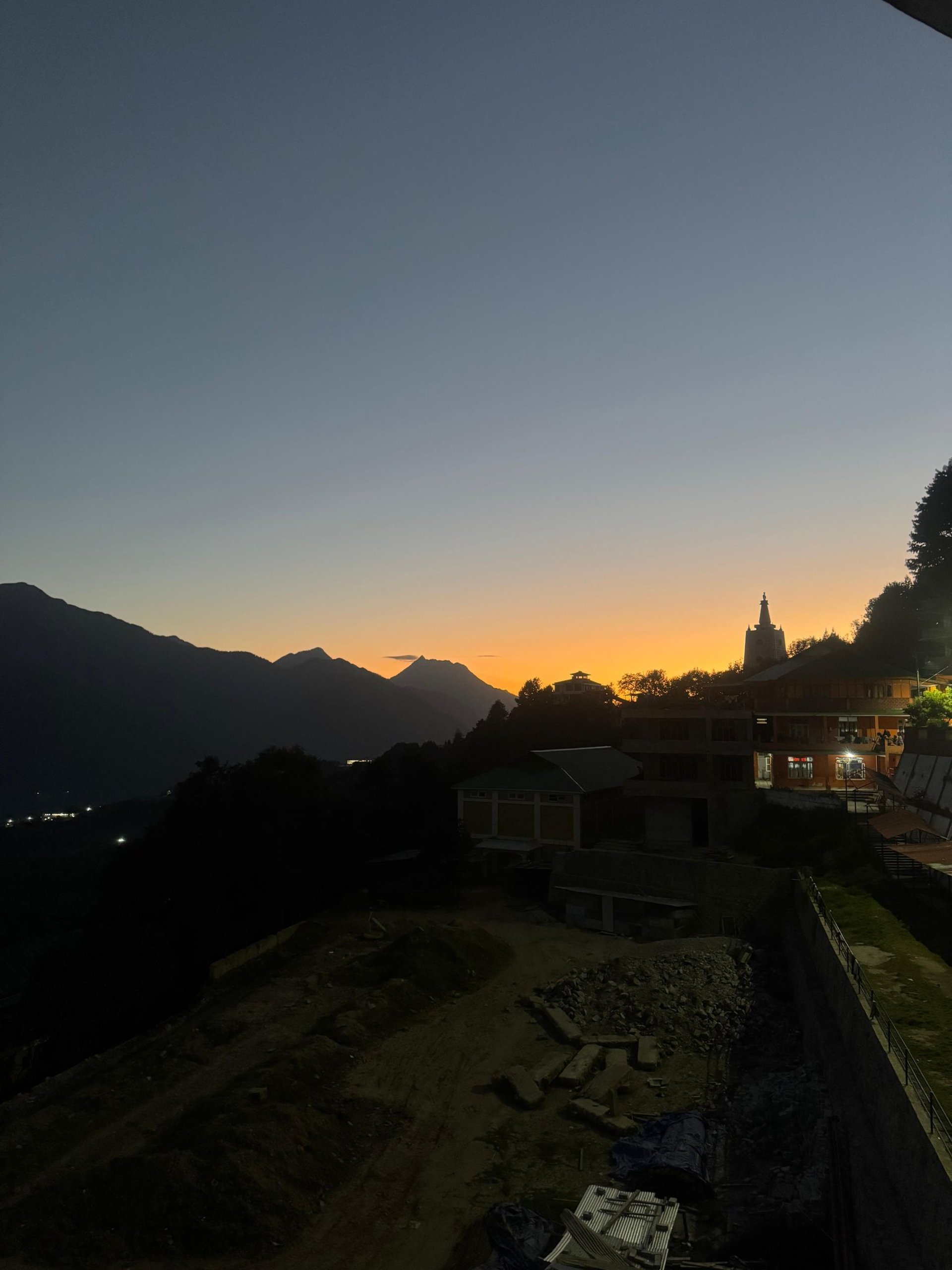
Tawang is a district in the northeastern Himalayas of India. Once part of old Tibet, the region now borders Bhutan and China, resulting in restricted access and a strong military presence. The dominant ethnicity is Monpa, and while their indigenous faith Bon, remains somewhat culturally present, it has blended into a rich and sustained practise of Buddhism as the region’s principal religion.
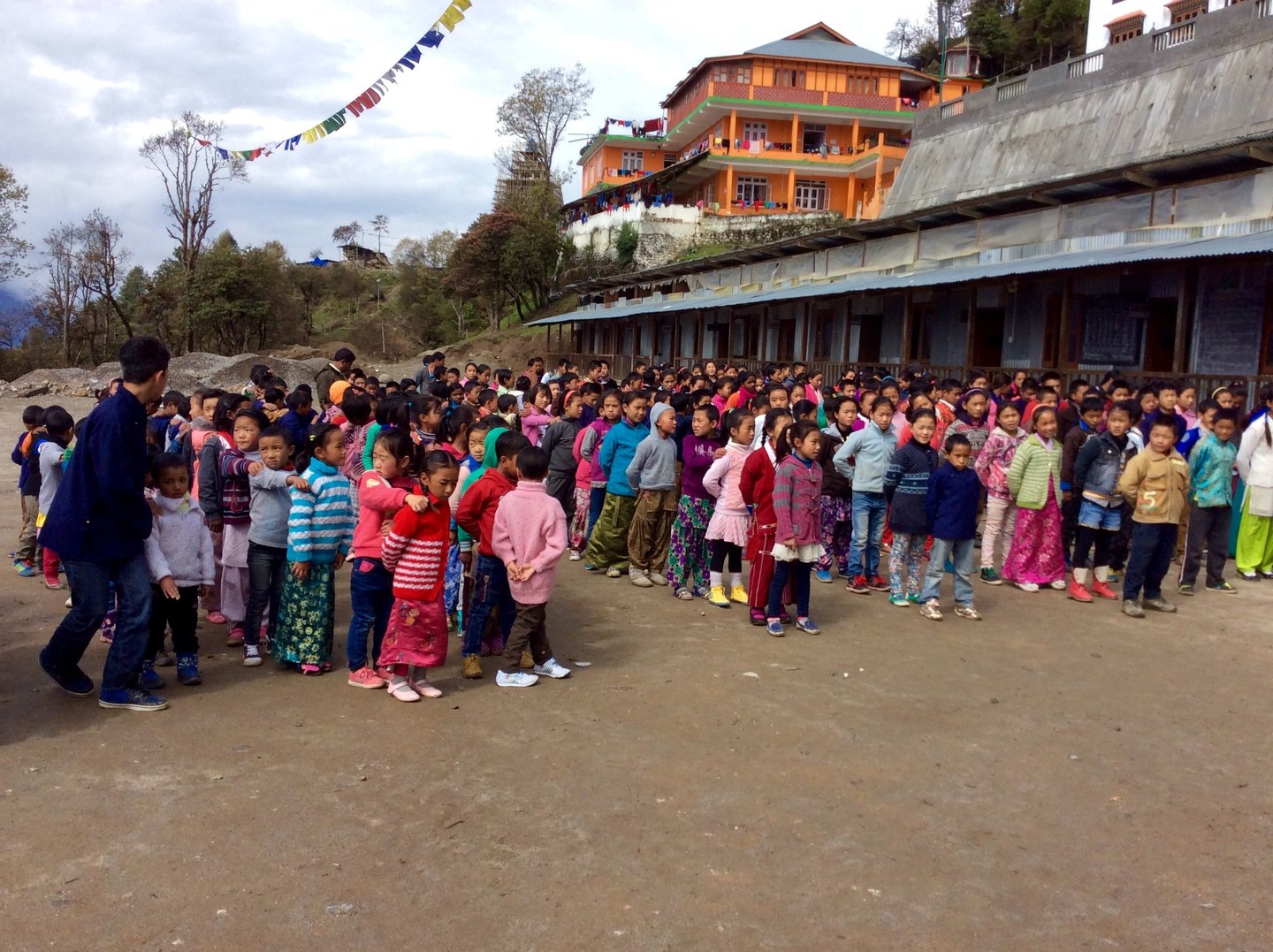
Cradled by breathtaking mountain peaks and overlooked by the infamous Tawang monastery, Manjushree Vidyapith School and Home for destitute children is flourishing. While feeding, sheltering, nurturing, educating, and caring for over 300 children under challenging circumstances with limited resources and extreme climate conditions remains an increasingly difficult task, Lama Thupten Phunsok and his team of dedicated teachers and staff have managed to do so for 27 years.
Accompanied by my Mum, who has continuously supported the children of Manjushree for over 20 years, I first had the privilege of visiting in 2015, before starting university in Dublin. At that time, the school consisted of a single row of tin-roofed plywood shacks, each with benches and a blackboard; construction of a new school building was however underway. Also under construction was a highly anticipated stupa (a Buddhist religious monument) near the school grounds. Many Manjushree students helped the employed Nepalese craftsmen on their days off to build the aforementioned stupa, and I was invited to sift stones with them for a few days too. The large, mystical project was fully directed by Oracle and Rinpoche, Khadro-la, who had envisioned the structure, its location, and detailing. While I was there, she stayed on-site, meditating, contemplating and guiding workers in a way I have never experienced since. Everything was made by hand, prayers were embedded in each element, and Khadro-la had the master plan completely organised in her mind alone.
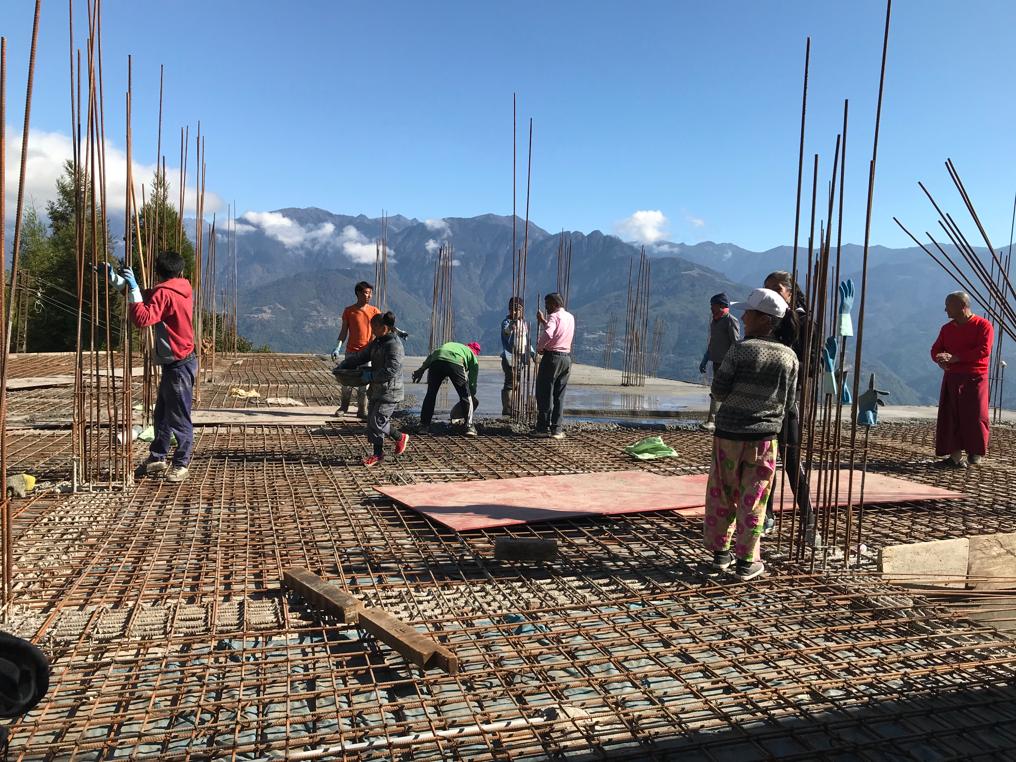
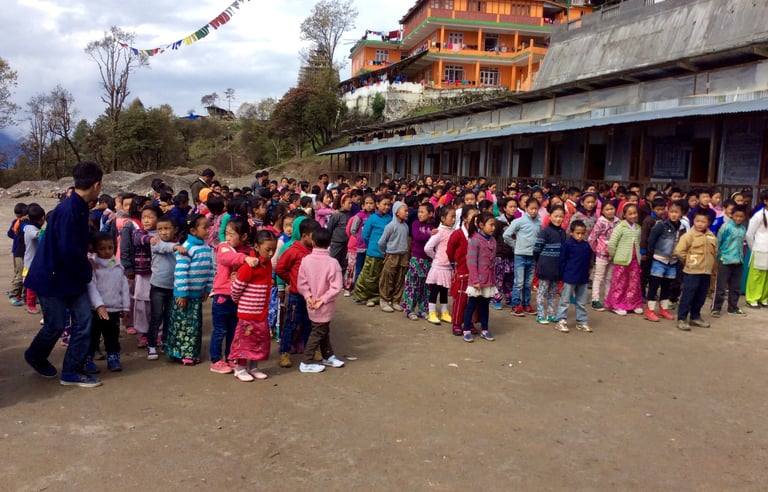
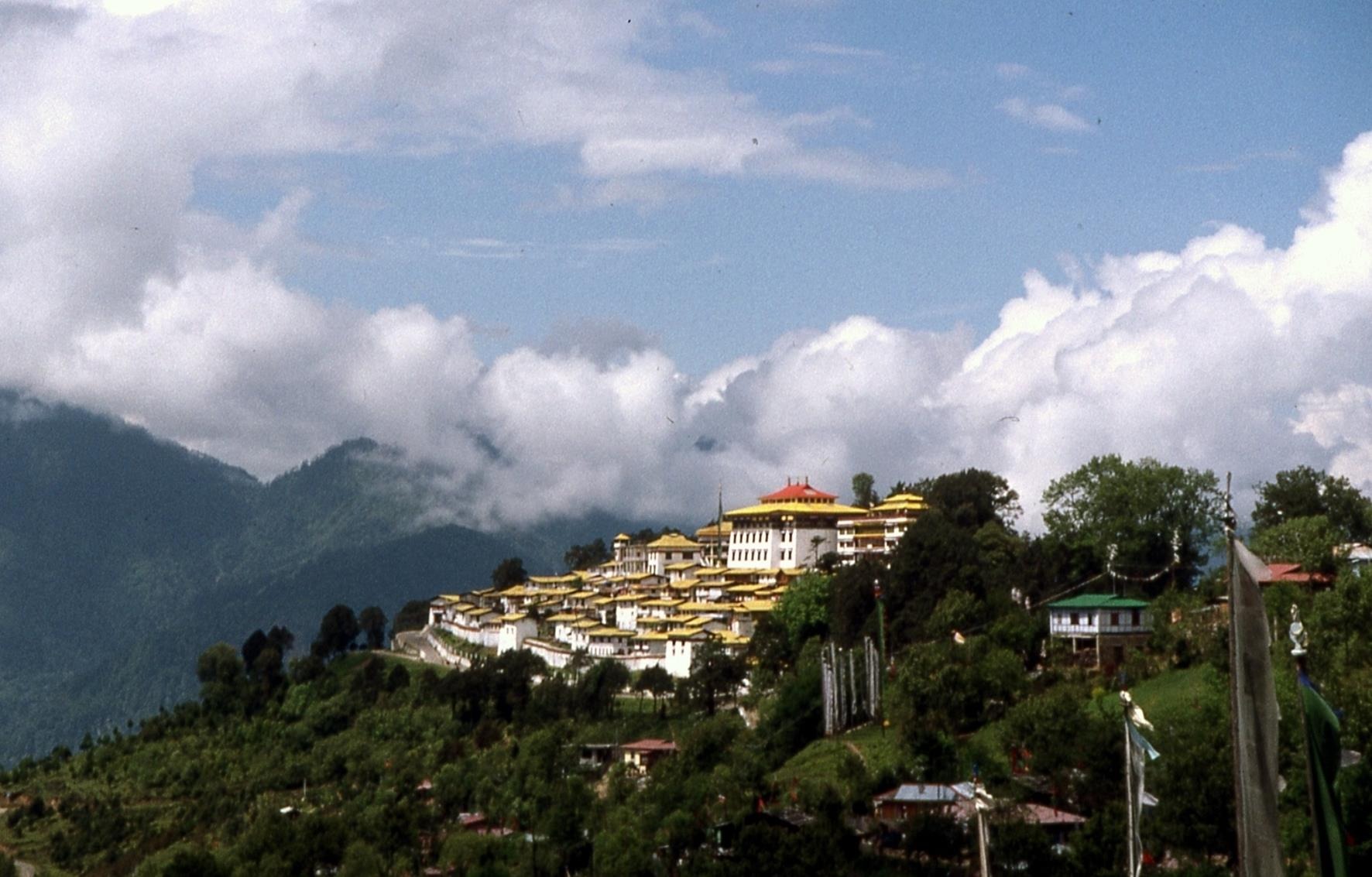
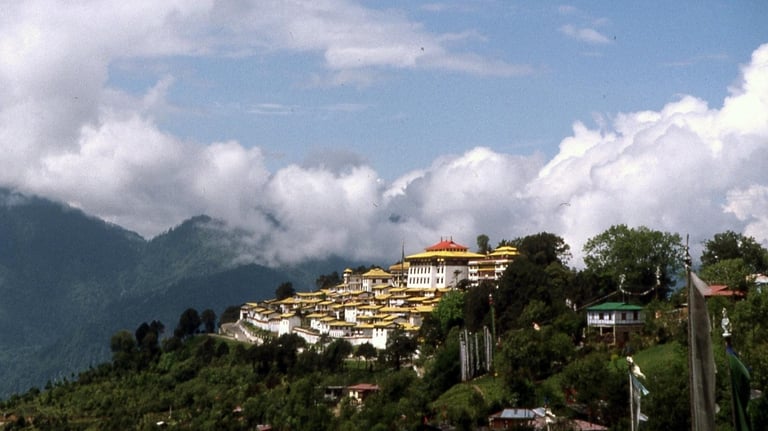
Now returning in 2025 with my partner and cousin, the magnificent stupa blessed by His Holiness the Dalai Lama and the new school building are both complete. It was amazing to spend time with friends I had kept in touch with all these years and to see the substantial development in Tawang. With upgraded roads and a new tunnel, the town is now accessible nearly year-round, and tourism is growing with the construction of hotels and the organisation of events such as Monduro, the world's highest endurance mountain bike race. Over the past 10 years, Manjushree School and Home has also made considerable progress, with additional and improved infrastructure. Thanks to donors, sponsors, and Lama Sir’s perseverance, they have installed a water filtration system, built new studio apartments for teachers & staff, a nurses' clinic, a gym hall, a kitchen, a playground and extended both the girls' and boys' dormitories.
Each year, a group of graduating Manjushree students with will and top grades continue their studies at 3rd-level institutions across India, seeking degrees and diplomas for a variety of professions. While the majority have experience working on construction sites, such as the stupa, some have studied engineering, and others have trained as skilled crafts people, no one has yet chosen to study architecture, urbanism, or design. Coming from a rural, remote region where practical skills such as carpentry are essential and vernacular architecture is both functional and beautiful, I guess the thought of studying architecture formally may have seemed frivolous, while other jobs in medicine, teaching, agriculture, and politics felt more urgent. Now, however, as Tawang grows and becomes more connected, architectural lead projects have begun, the profession is viable, and I feel it could soon become necessary.
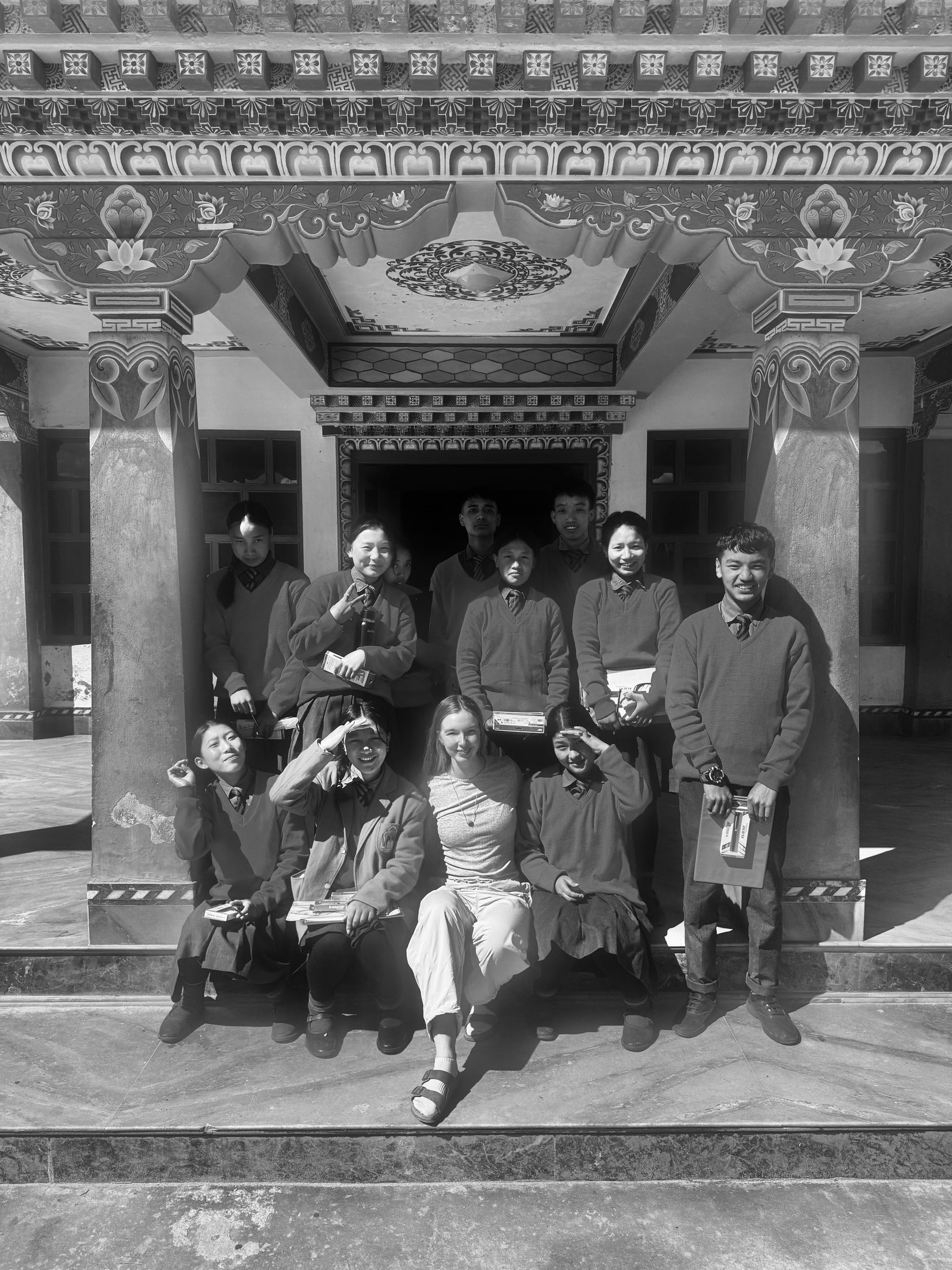
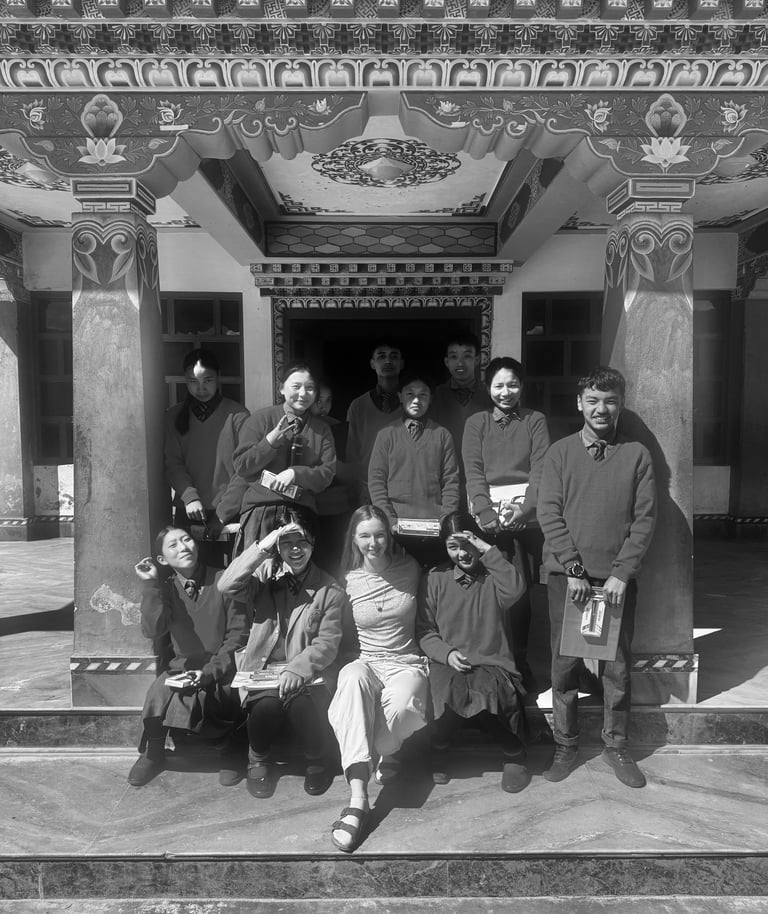
Most visitors to Manjushree donate their time and try to bring something of value to share with Lama Sir, his staff, and children, whether they are healthcare providers, teachers, filmmakers or businesspeople. On this occasion, after clearing the idea with head teacher Amar Sir, I brought some basic equipment and led an architectural design workshop with 10 interested students from classes 8 to 10. It was fun and exciting to chat with the young teenagers, hearing their enthusiasm, ideas, and questions. Most had never participated in anything like this before, and I wondered whether it would be difficult to teach or explain the fundamentals and reasoning for things. It became abundantly clear within the first lesson that I needn't worry; the students mastered the concepts quickly, brought both logic and creativity to each session, and, together, we broke the workshop into 4 segments
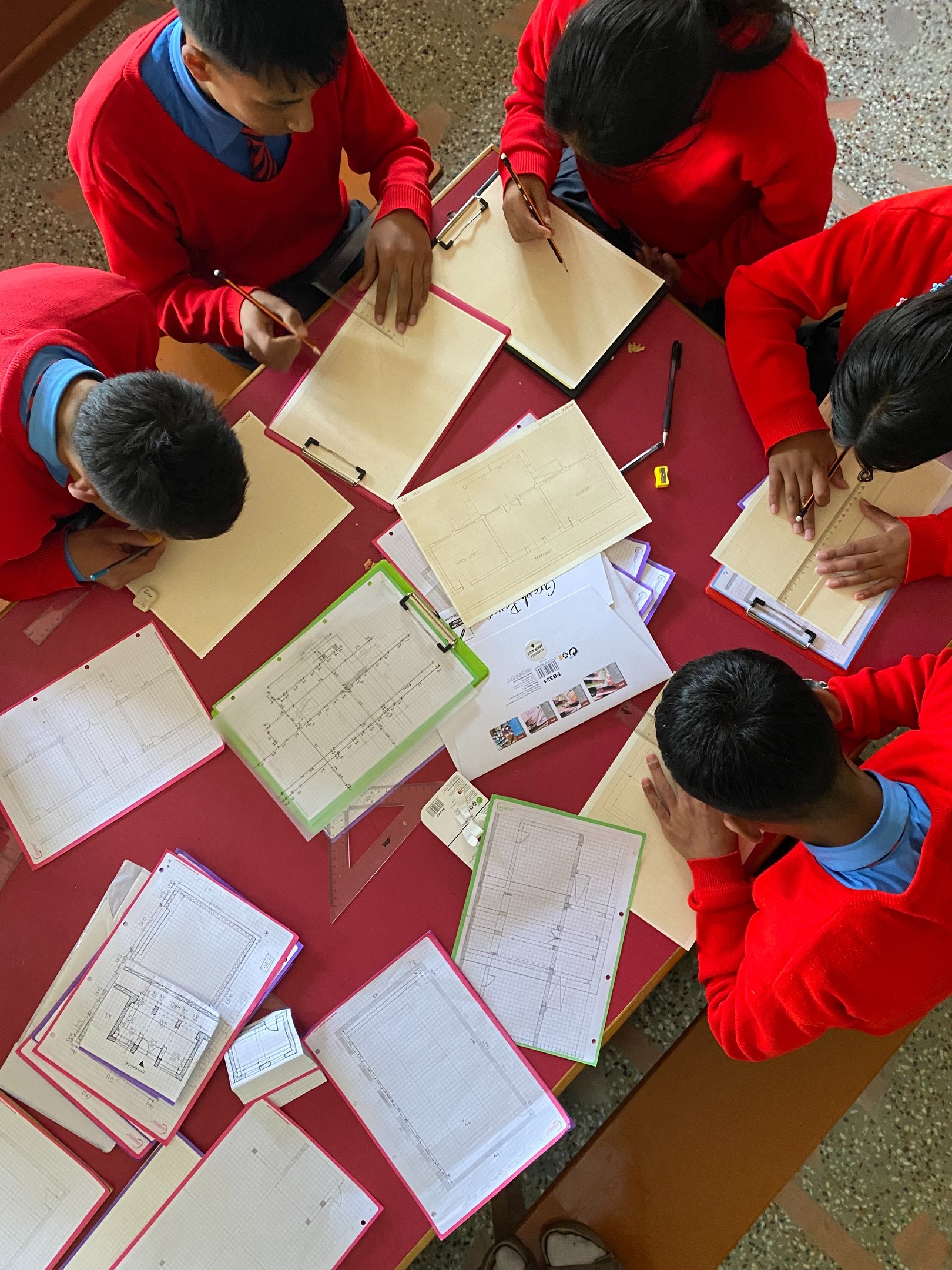
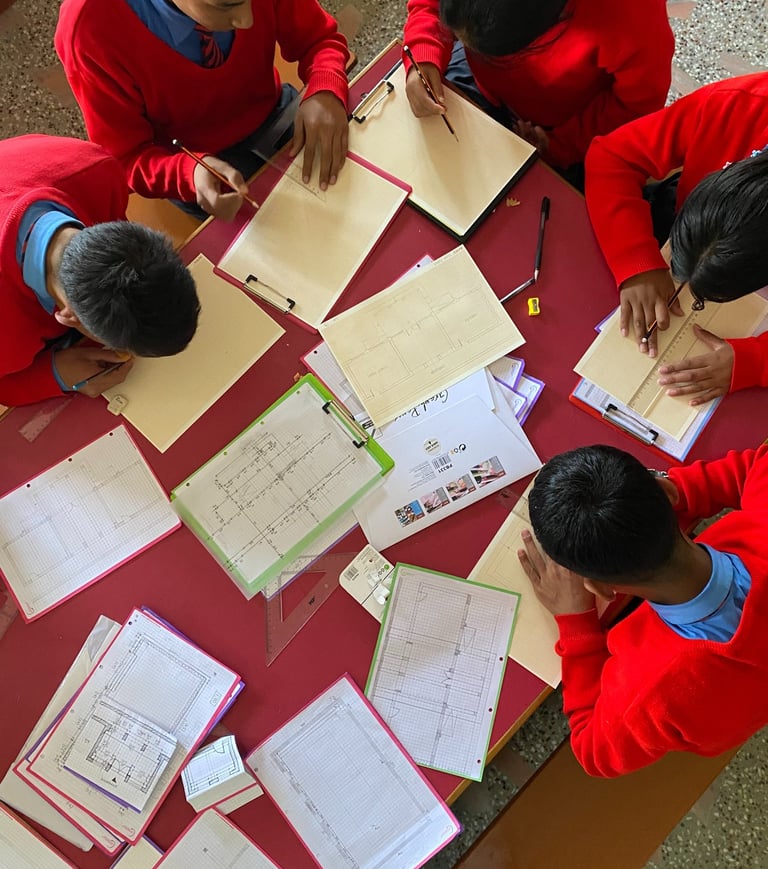
To begin, I introduced the idea of mapping and surveying, asking why we survey and if making drawings can help us understand the world around us. Using various types of rulers, measuring tapes, lasers, and paper, we sketched, marked, and measured the school library as a warm-up exercise, familiarising ourselves with the tools, units, and drawing in plan. We then reviewed the use of graph paper, how to calculate appropriate scales, and draw accurately.
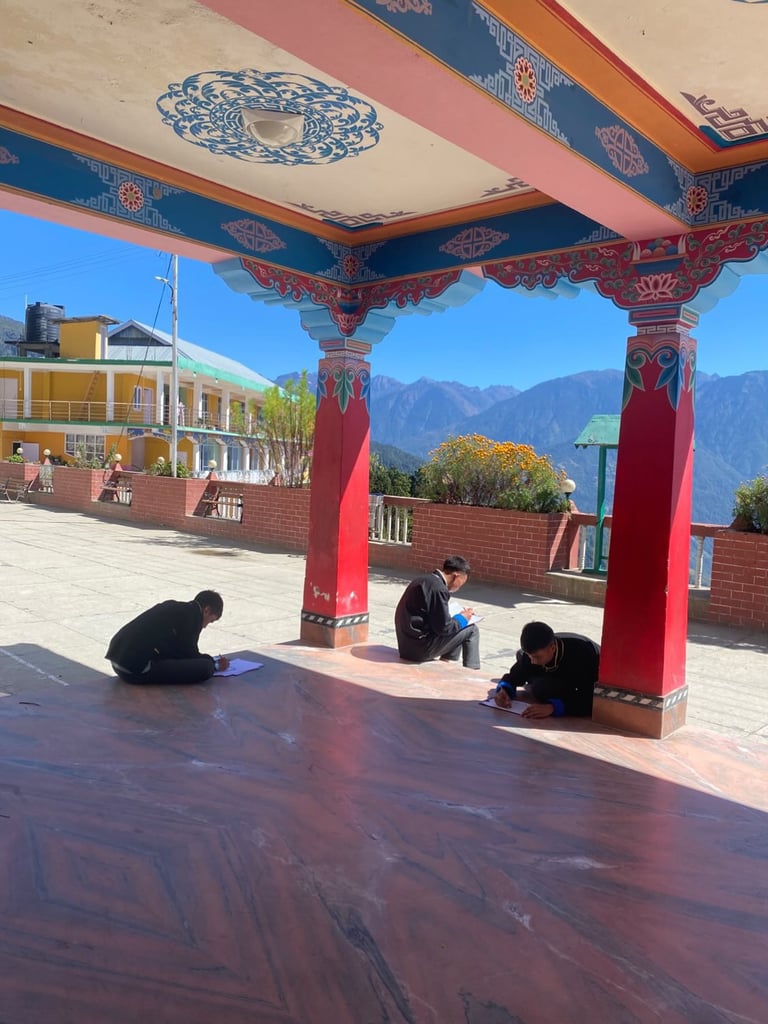
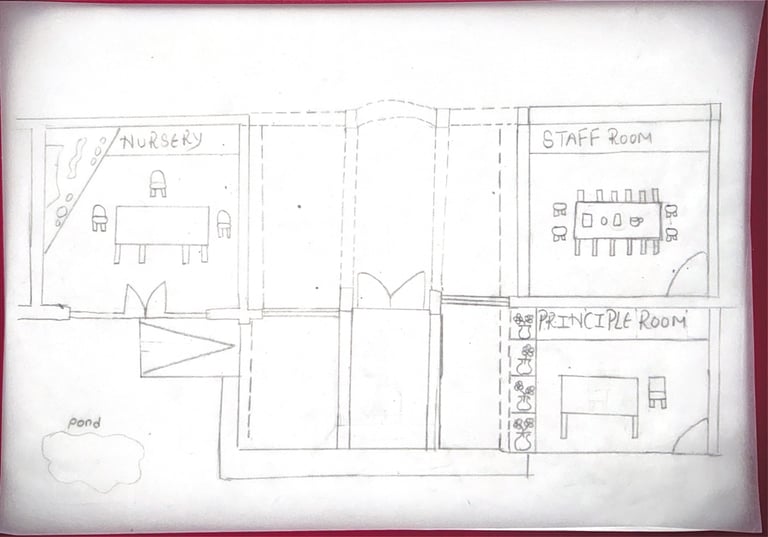
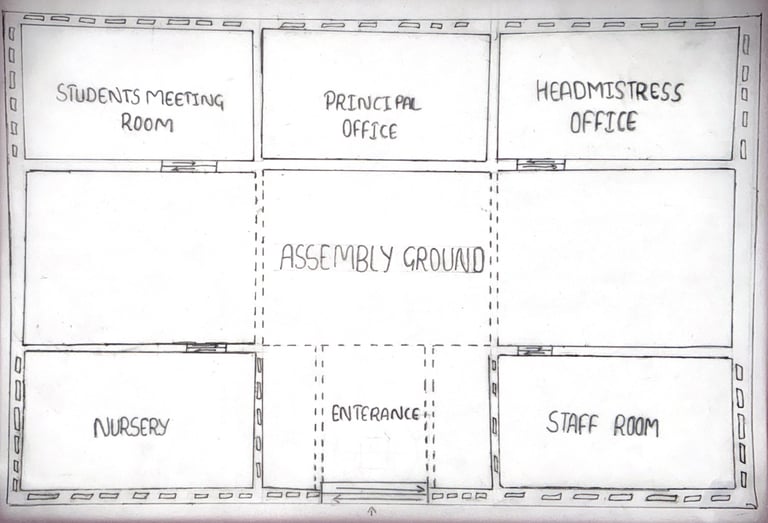
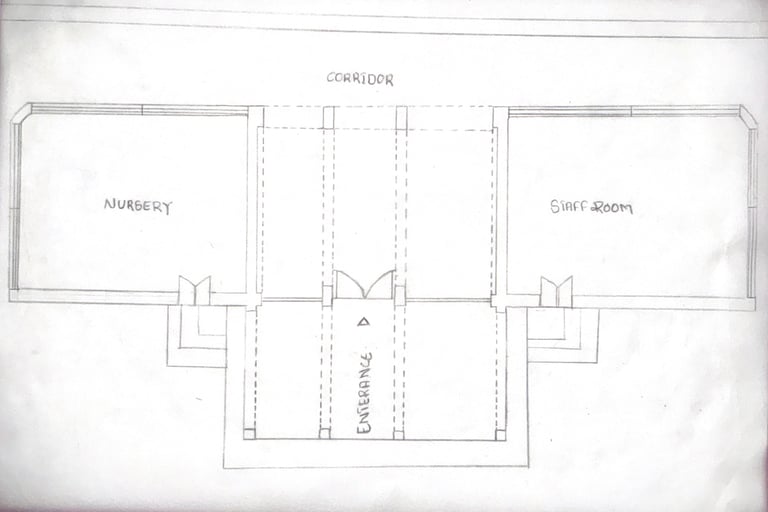
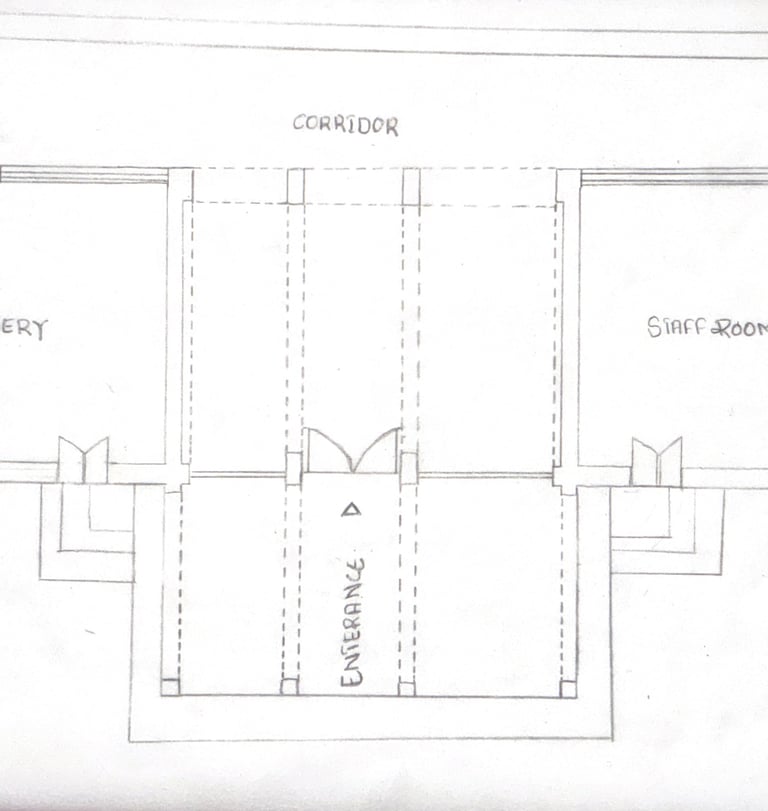
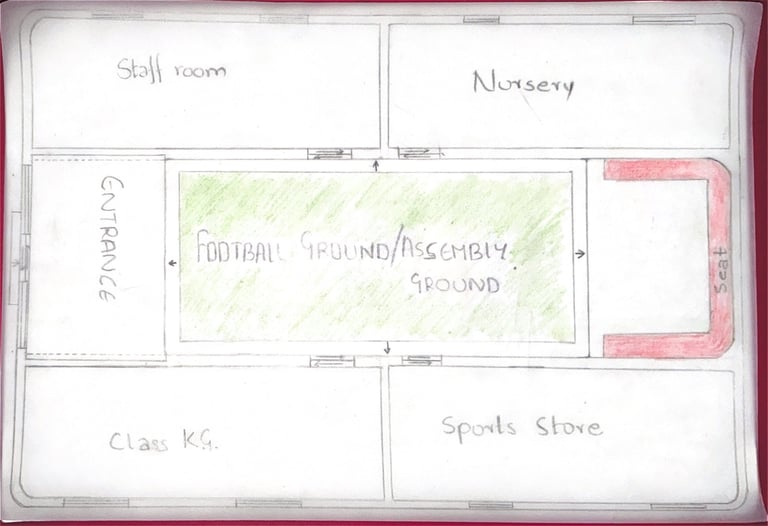
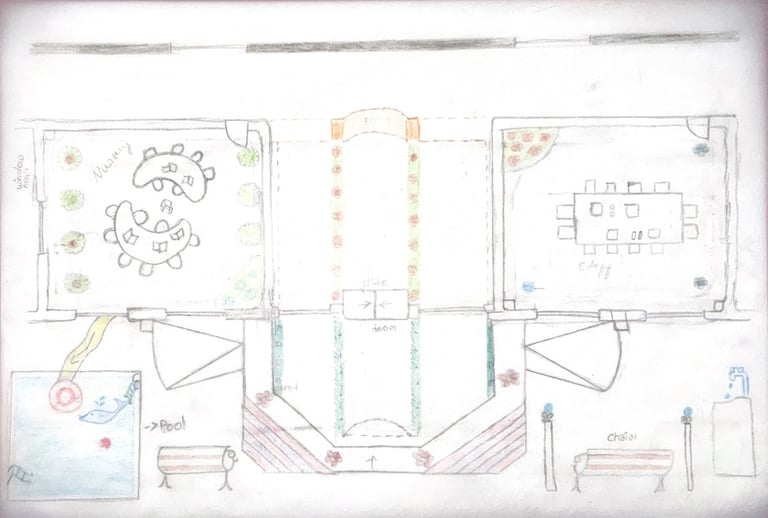
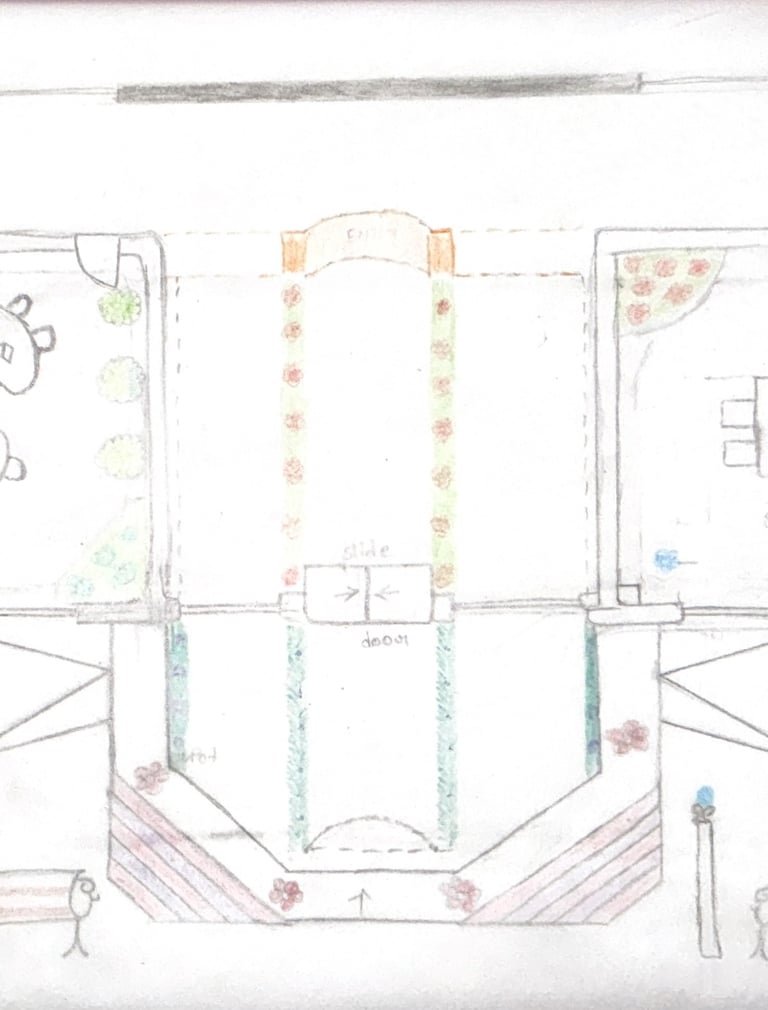
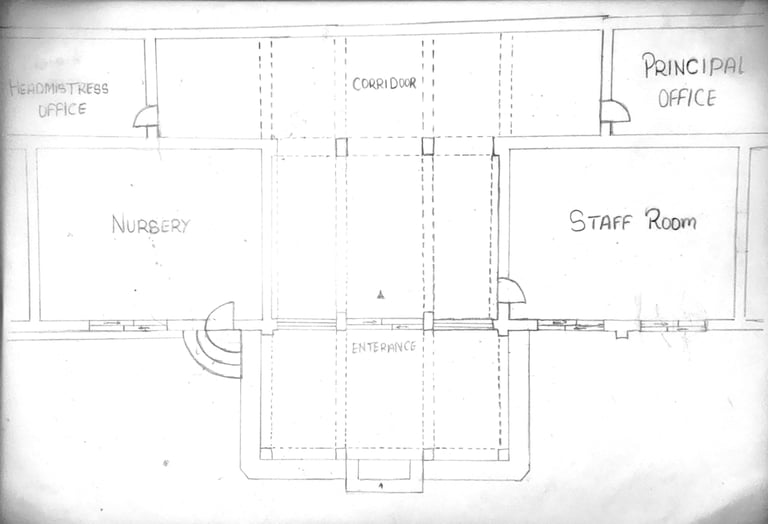
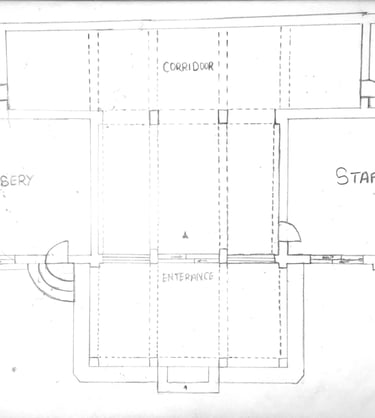
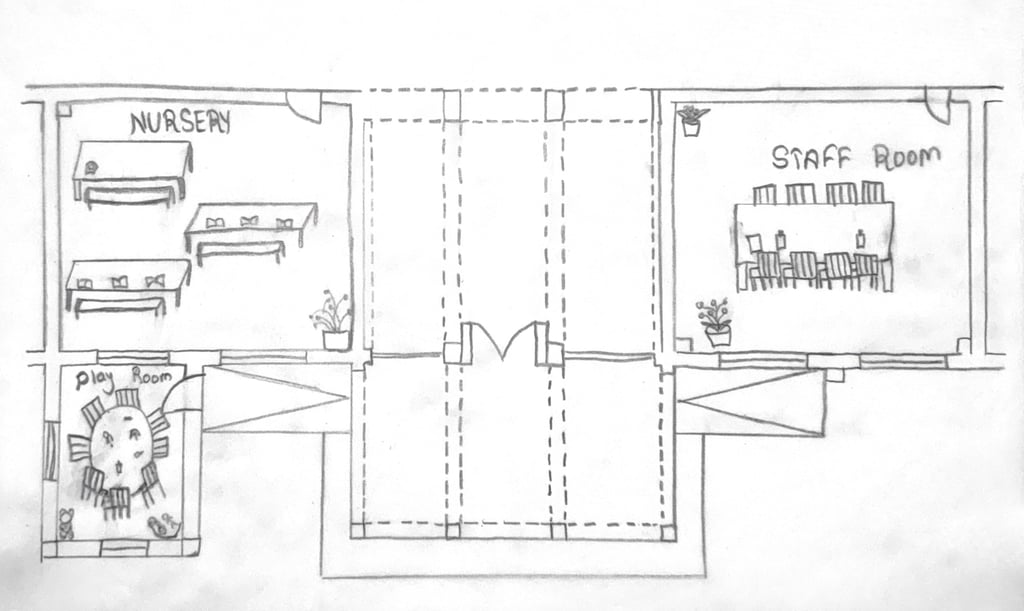
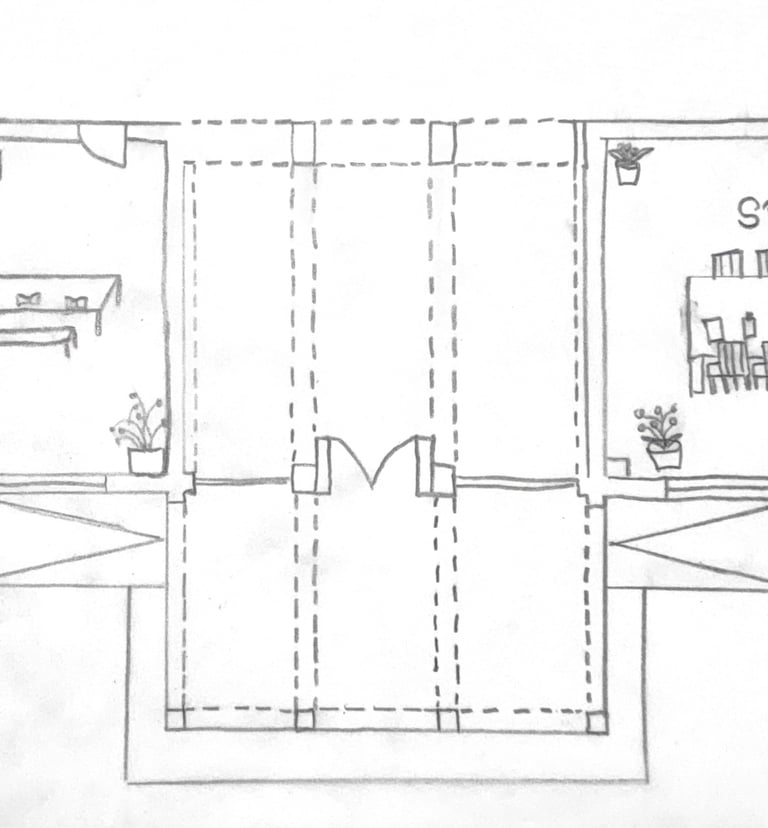
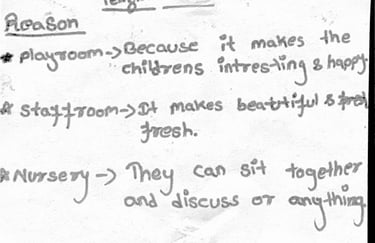
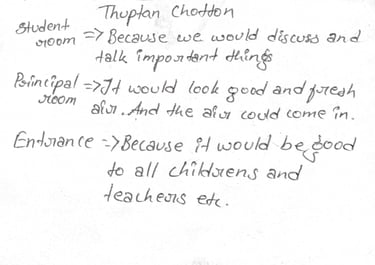
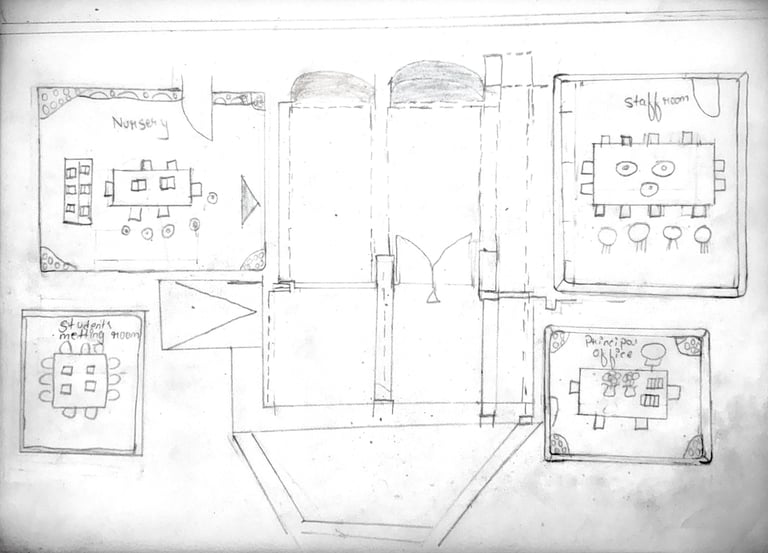
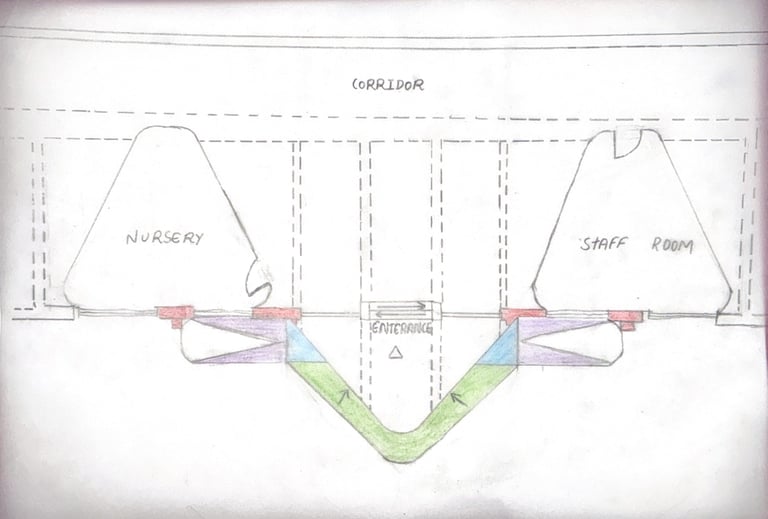
In phase 2, we began considering where we would like to base our project. Which areas of the Manjushree campus required attention, and where did we intend to develop new, improved, or extended designs? After much deliberation, the students selected the school's entry hall, including the adjacent kindergarten and staff rooms, as well as the surrounding exterior area. They chose this space because it was an area they all used every day and where visitors first formed their impression of the school. They expressed interest in designing improved spaces for their teachers and the youngest members of their family, while noting that the entrance hall would be an ideal place to host an exhibition the following week. Based on their decision, we spent a day observing the school's entrance area, watching how people use it, brainstorming ‘the role of an entrance’ and thinking about the sort of atmosphere they wanted to create. Then, employing their newly learnt skills, the team broke into groups and accurately surveyed the space before drawing everything neatly to scale on graph paper.
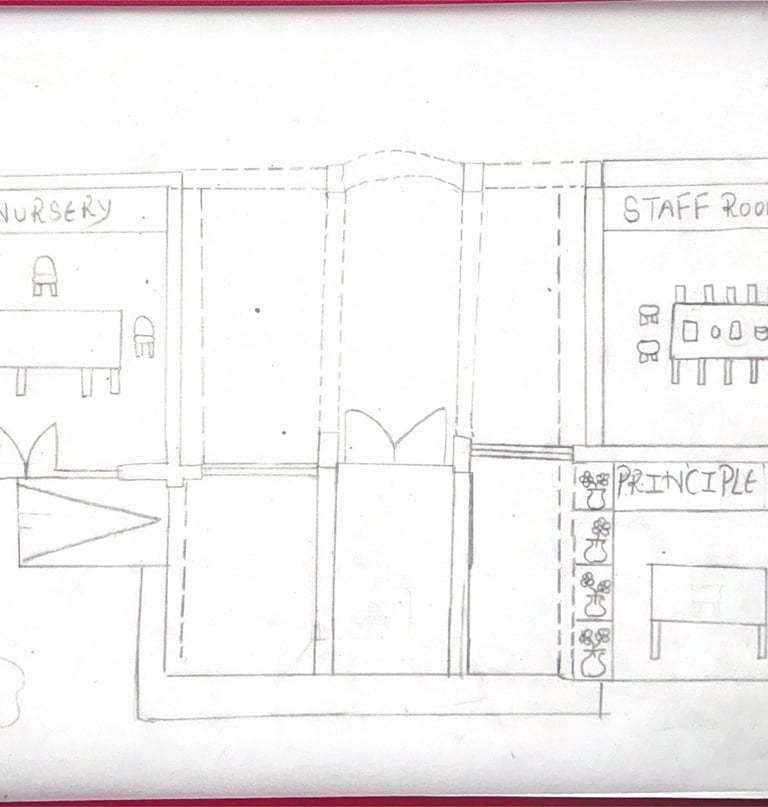
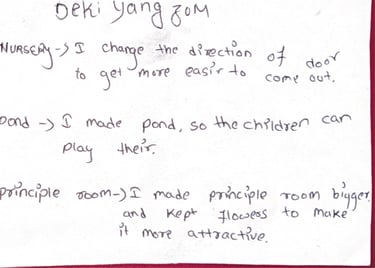
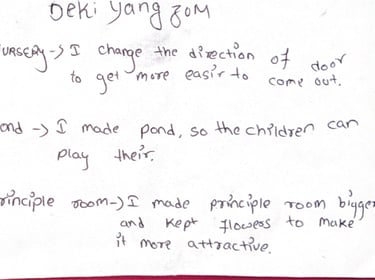
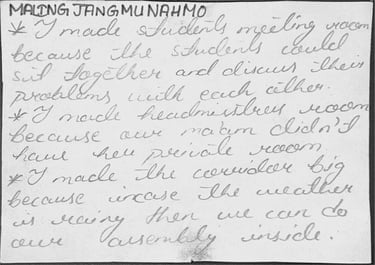
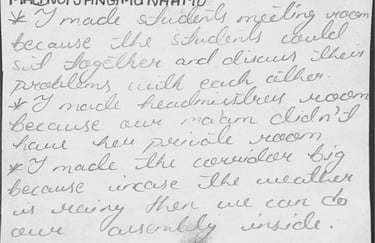
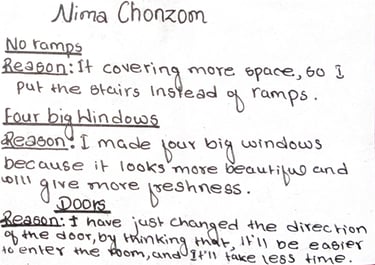
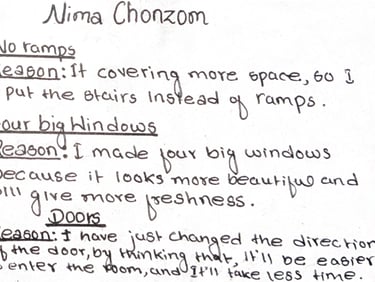
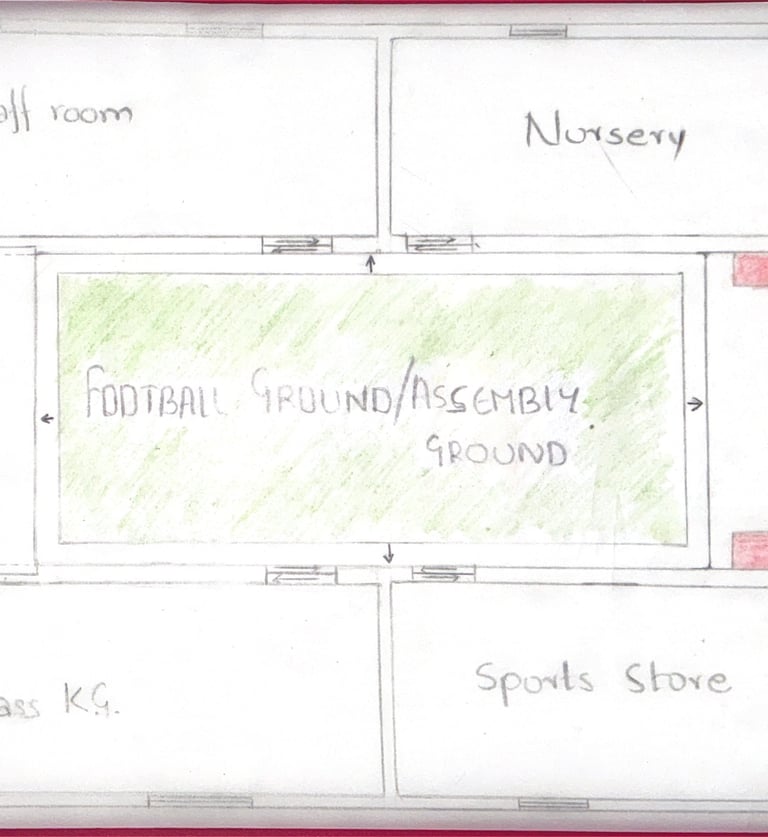
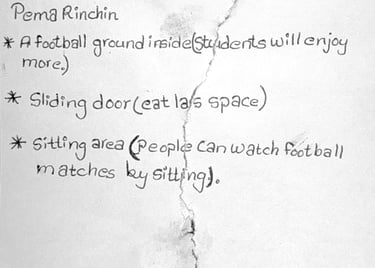
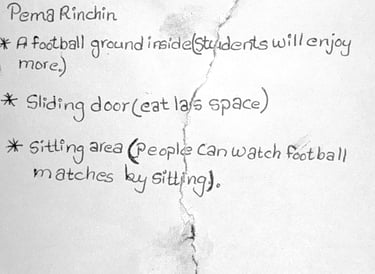
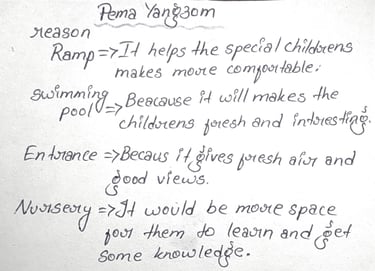
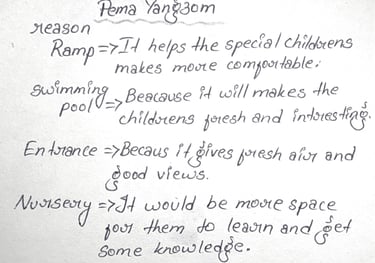
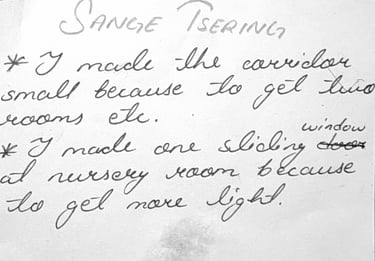
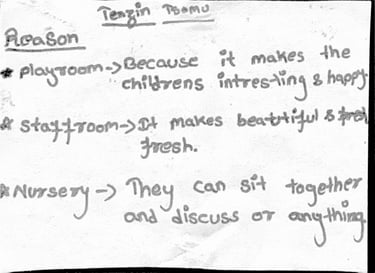
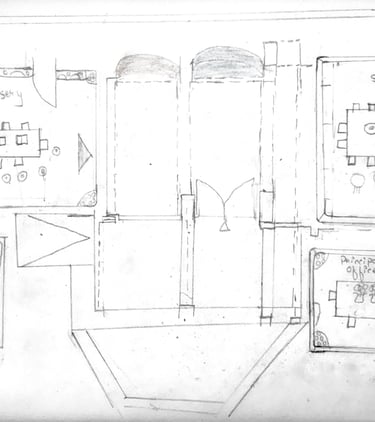
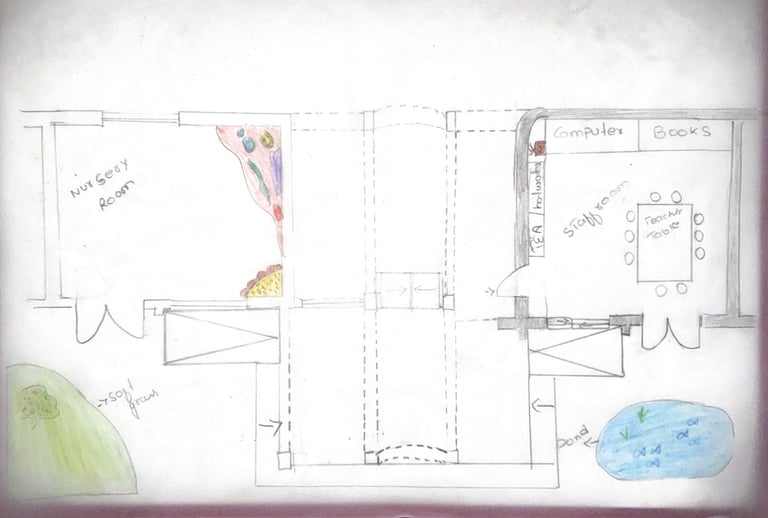
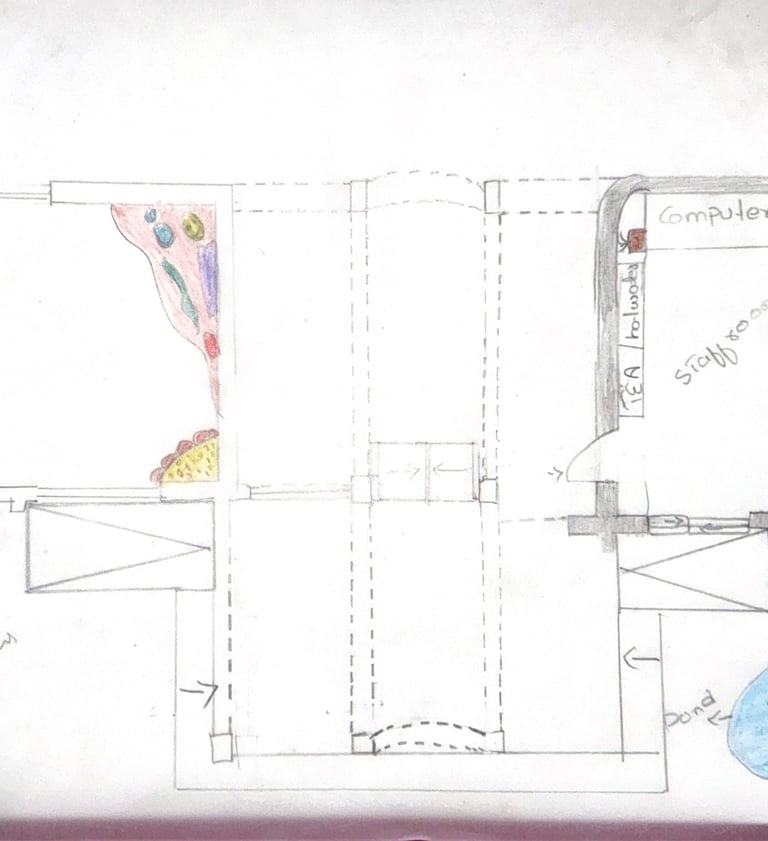
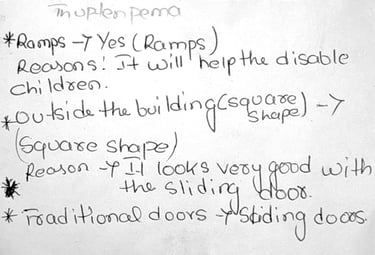
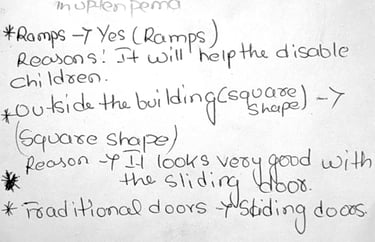
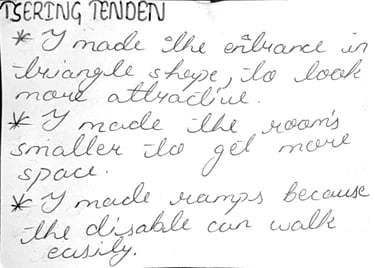
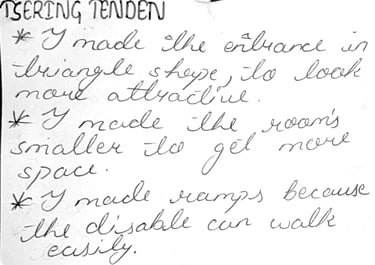
Having finished all of the measuring, it was time to get creative. Using tracing paper, each student began sketching ideas, showing me what they wanted to change, add, demolish, extend, and replace. Some students focused on landscape, some on light and climate and others on geometry and function. Some used colour, labels, and animation to convey atmosphere and the functions of areas, while others adhered to a technical graphic style. Allowing everyone the space for unconstrained imagination was important, and it took the students a little while to realise they could propose anything they wanted. Secondary school teaching and exam preparation do not encourage much imagination, so it was great to see each student slowly stop worrying about getting things ‘right’ and start drawing their own ideas, with reasons and arguments to support them.
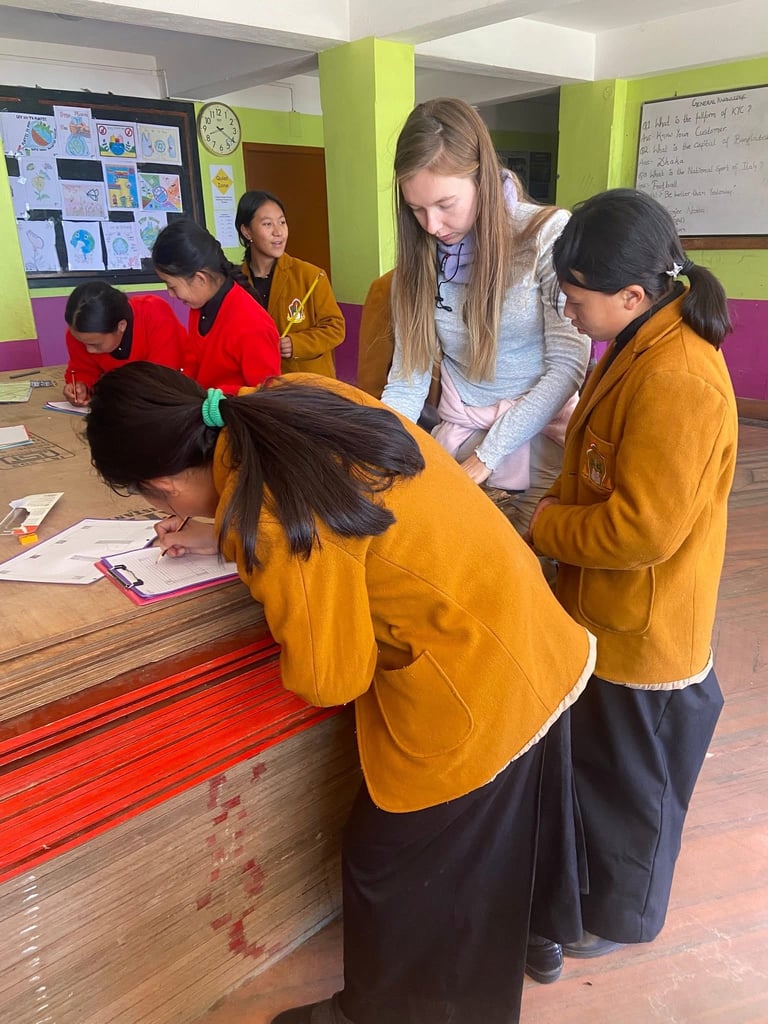
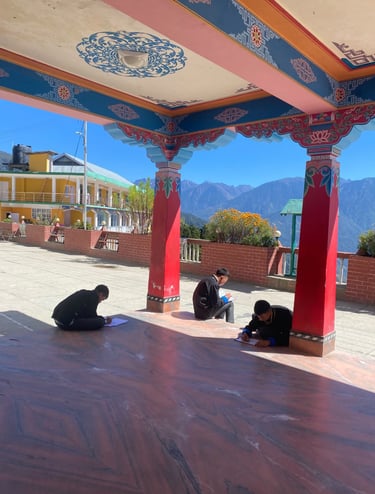
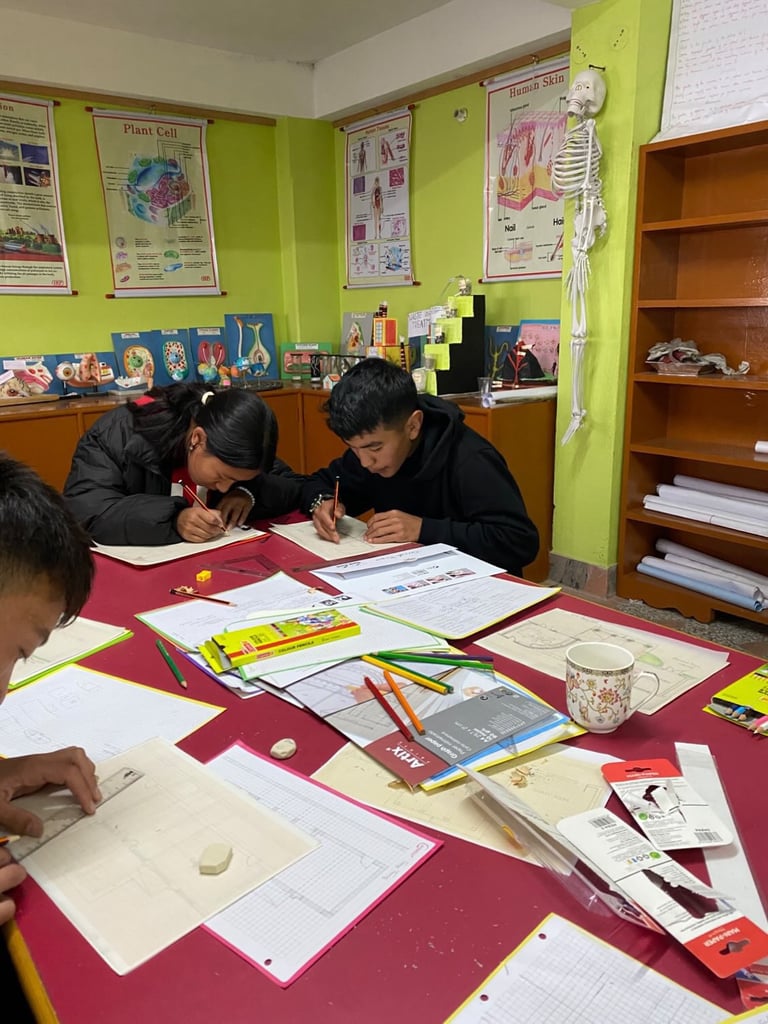
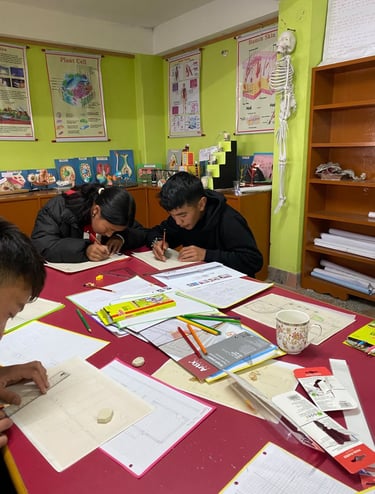
Finally, we curated an exhibition aptly named School Entrance Reimagined. Everyone took a role in preparing and executing the event, and we invited Lama Sir, guest Monks, teachers, visitors and fellow classmates. Each student seemed proud of what they had achieved, and those who were less shy explained the stages and the final designs to exhibition attendees.
The workshop was a great success, and after our debrief, the participating students decided they would like to share their drawings and outcomes with you, the wider public, hence this blog of sorts! I would like to personally thank each and every participant: Deki Yangzom, Maling Jang Munahmo, Nima Chonyom, Pema Rinchen, Pema Yangyom, Sange Tsering, Tenzin Tsomu, Thupten Pema, Thupten Chotton and Tsering Tenden, whose designs can be found below ↓↓↓
Thank you for your time, dedication, eagerness, patience and questions. Thank you for welcoming me into your school and home, for sharing your outlooks, ideas and traditions and for allowing me to share mine. Continue pursuing your goals, ambitions, and I’ll see you again soon! Lots of love, Róisín
←
→
←
→
←
→
←
→
←
→